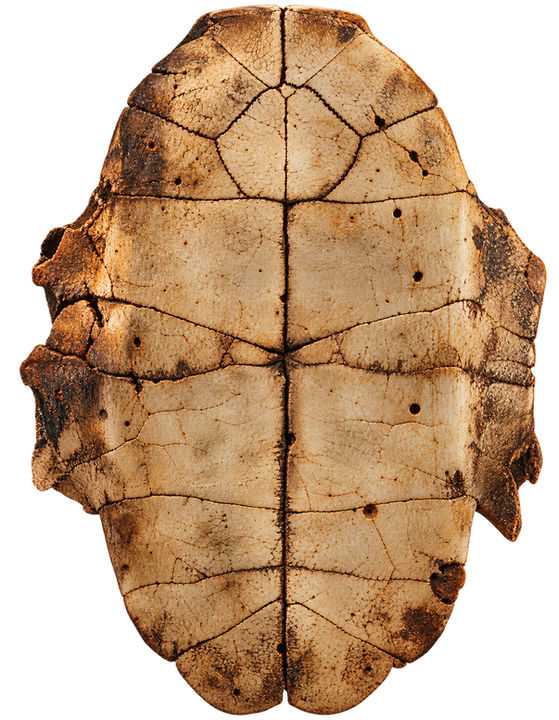
Making “Small” Visible
让“小”被看见

These three seemingly random dots were once used as writing more than three thousand years ago
on the land we now call China
这三个看起来很随机的点
三千多年前在今天被称为中国的这片土地上
曾被作为文字使用
从留下的文字材料中
今天仍然可以辨认它所表达的意义
From the written records that remain
we can still recognize what they meant
Small
小
xiǎo roughly: "shyaow"
有些早期汉字的结构
至今仍能让人认出它所描绘的对象
人,像一个人的身影
山,像山峰的轮廓
Some early Chinese characters
still resemble the things they depict

人 resembles a human figure

山 resembles the outline of a mountain
具体的东西
可以描绘它的形状
Things we can seecan be drawn by their shape
But what about “small”?
但“小”呢?

如果身处三千多年前
你会创造怎样一种图形来表示"小"?
If you had lived more than
three thousand years ago
what kind of form would you have created to represent “small”?
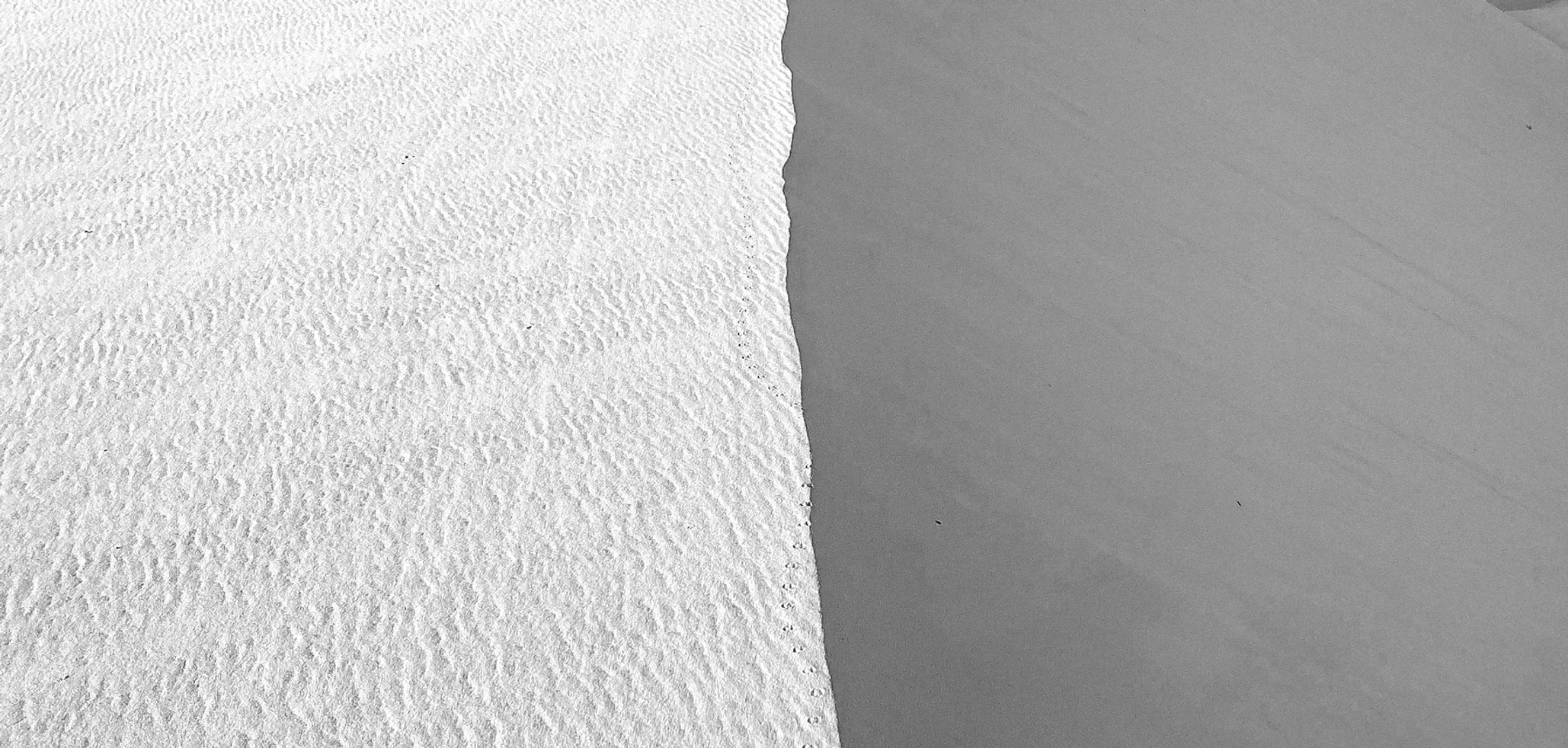
Three tiny dots, separate from one another
yet seen together as a whole
Two feels like too few.
Four feels like too many
Three feels just right
Simple, yet balanced
三个极小的点
彼此分开
却又因为聚在一起而被看见
两个,太少
四个,则又太多
三个,刚好
简单
却形成了一种稳定的平衡
对于这三个点究竟表示什么
学者们有不同的解释
有人认为,它们表示微小之物
也有人认为,它们可能来自细小的沙粒
Scholars have offered different interpretations
of what these three dots might represent
Some see them as tiny objects
others suggest they may have represented
small grains of sand
In oracle bone inscriptions
forms with four dots also appear
Three dots
Four dots

shǎo
Less
少
xiǎo
Small
小
在甲骨文中
四个点的形体也真实存在
三个点
四个点
它们之间究竟是什么关系?
今天,"小"和"少"是两个不同的字
但在早期文字中
它们并没有今天这样清楚的界限
What is the relationship between them?
Today, 小 and 少 are two distinct characters
But in early Chinese writing
the boundary between them was not nearly as clear

时间
可以让一个起初的想法
如同沙子般被吹散
也可以让一种表达
不断改变,慢慢沉淀
Time can scatter an idea
like sand carried away by the wind
But it can also allow a form of expression
to keep changing,
slowly settling into something that remains
For more than three thousand years
Chinese writing has been carved
into turtle shells and animal bones
cast into bronze, and inscribed in stone
It has also been written on
bamboo slips, silk, and paper
Different materials
Different ways of writing
Different people, in different times—
each bringing their own understanding
passing it on from one generation
to the next
One generation
Then another
And another...

1

2

3

4
1-Oracle bone inscription · Heji 32640
2-Da Yu Ding · Early Western Zhou · Jicheng 2837
3-San Shi Pan · Late Western Zhou · Jicheng 10176
4-Qin-state inscription · Zhen Qin 68
5-Pottery inscription · Táohuì 5.71
6- Mawangdui Laozi A · 53 · Western Han
7-Xiping Stone Classics · Zhouyi “Jie” · Eastern Han
8-Small Seal Script·Shuowen Jiezi

5

6

7
8
三千多年里
汉字被刻在龟甲与兽骨上
被铸在青铜器上,刻于石头中
也被书写于竹简、绢帛与纸张之上
不同的材料、书写方式
以及不同时代的人
带着不同的理解彼此接力传承
一代
一代

About two thousand years ago
one man took up the thread
In his work, the Shuowen Jiezi
Xu Shen offered his own explanation
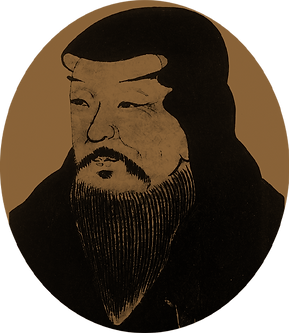
Xu Shen Eastern Han dynasty scholar
许慎 东汉学者
"小",是微小之物
而对于这个字的形体
许慎从中看到了"八"以及中间的一竖
今天的"小"
依然保留着中间一笔、左右分开的结构
小 物之微也
從八 見而分之
大约两千年前
当一个人接过这一棒时
也试着在自己的著作《说文解字》中解释
“小 means something small or minute.”
As for the form of the character,
Xu Shen saw 八 within it,
with a vertical stroke in the middle
In the 小 we write today
we can still see a central stroke
separating the two sides
But there is one more thing
但还有一件事
八 別也
象分別相背之形
"八" ,意味着分开
在许慎的解释里
"八" 本身已经意味着分开
中间又出现了一竖
将两边进一步区隔
那么,如果继续分下去呢?
八 means “to separate.”
In Xu Shen’s explanation
八 already carries the idea of separation
and a vertical stroke appears between the two sides
dividing them even further
But what if we keep dividing?
1/2
1/4
1/8
1/16
1/32
1/64
1/128
1/256
1/512
1/1024
…
How small is “small”?
What is “small” to you?